
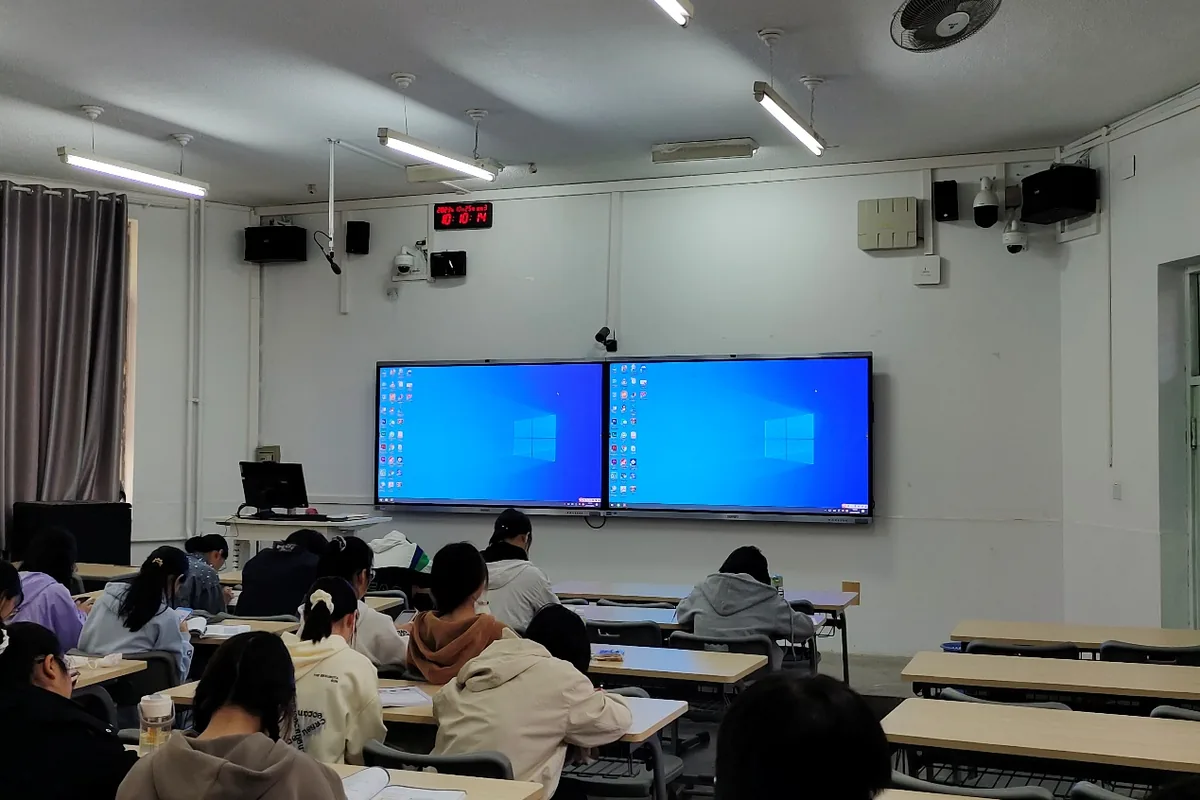
5 Smart Classroom Specification Mistakes We Found in Real Tenders
We read many real public AV tenders from different funders. The same five specification mistakes appeared in many of them. What integrators should check first.
View details We read many real public AV tenders from different funders. The same five specification mistakes appeared in many of them. What integrators should check first.
View details
How offline-first digital classrooms work in the DRC and Francophone Africa: local content servers, tablets, French-language resources — a deployment guide for project companies and NGOs.
View details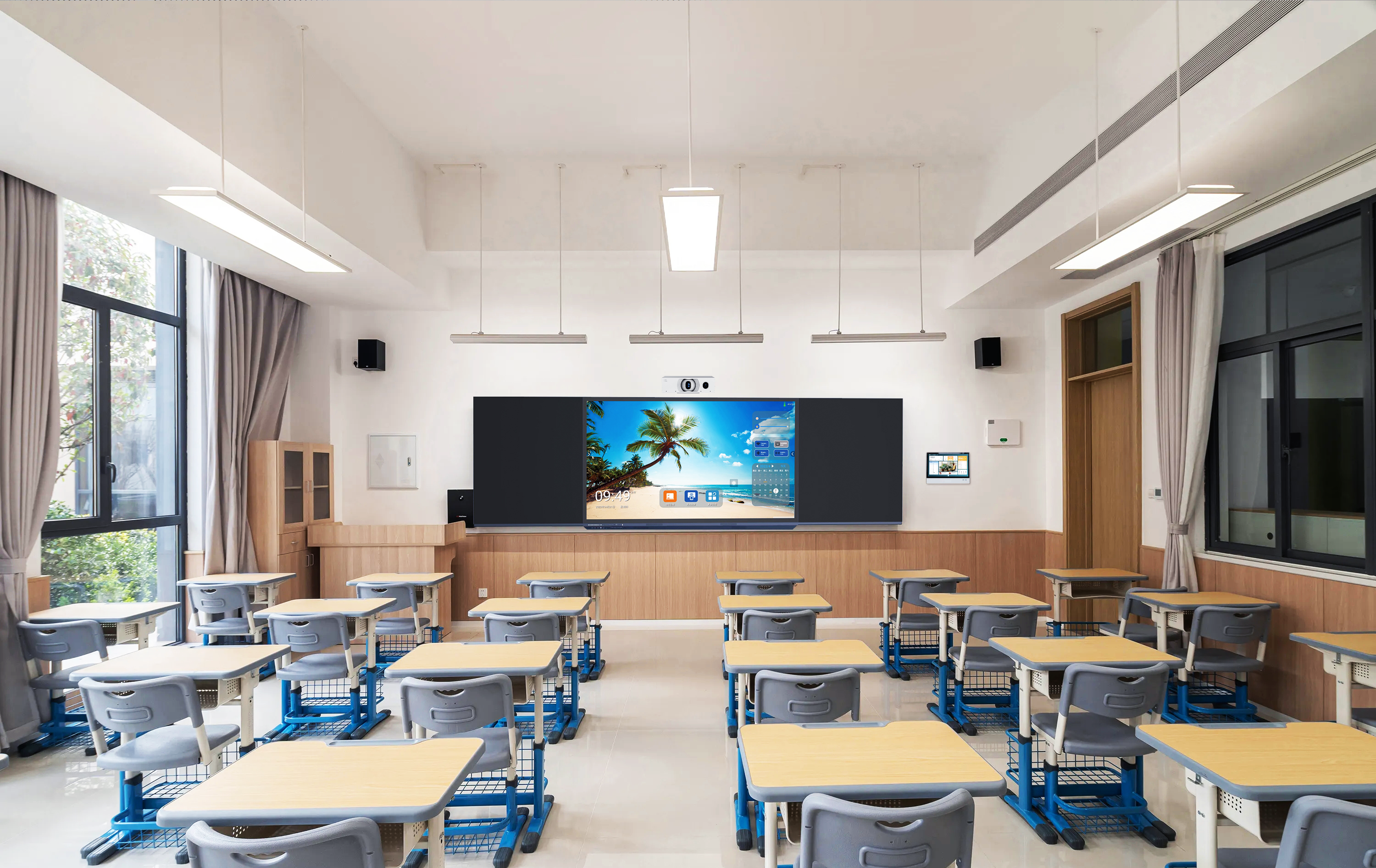
How to design classroom and lecture hall audio: active vs passive speakers, line-level wiring, UHF mics, coverage by room type — with example tender specs.
View details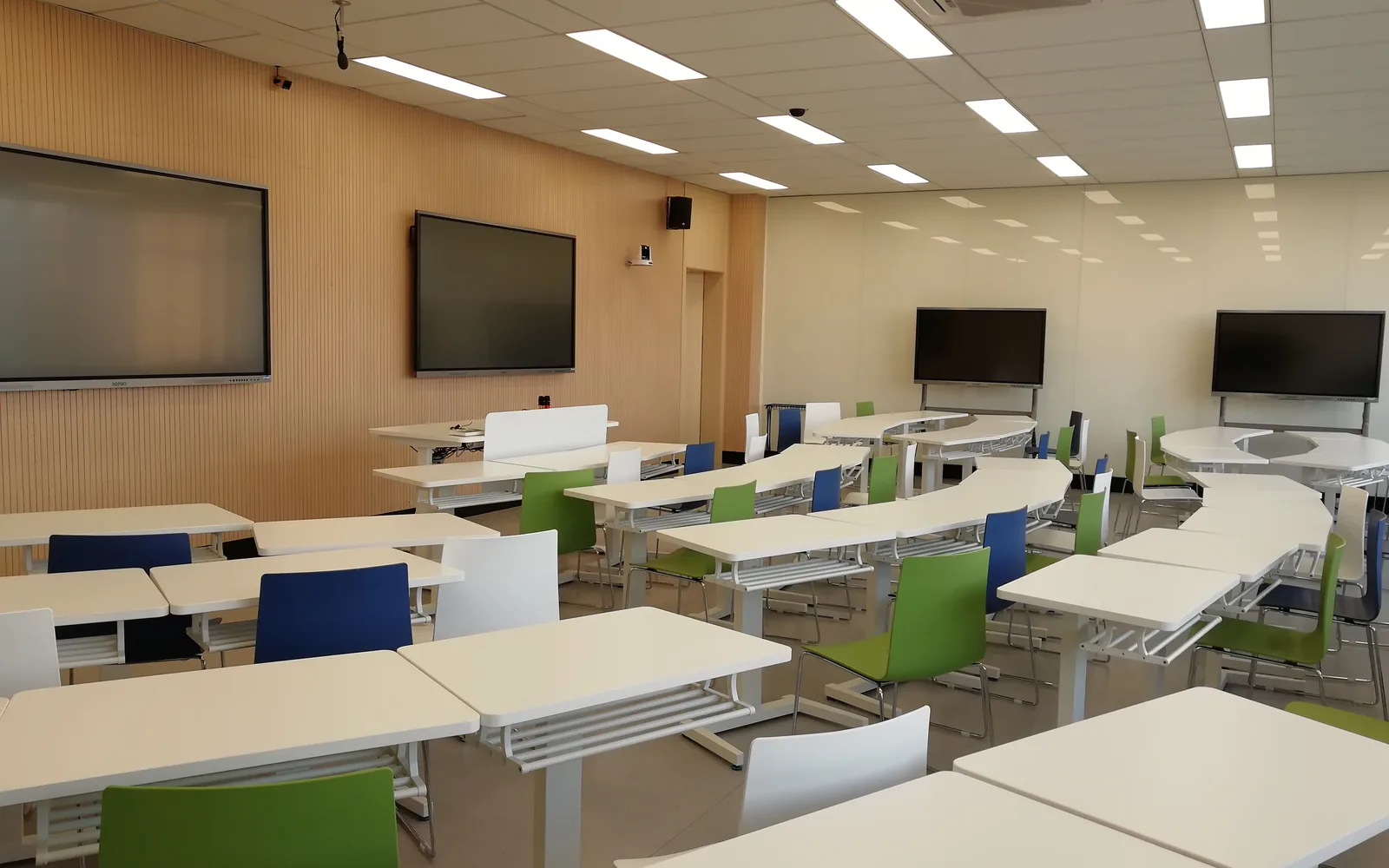
A complete smart classroom equipment list by deployment level — what belongs in Level 1, 2 and 3, and the three lines integrators always forget.
View details
A Southeast Asian integrator was burned when its old supplier sold parts straight to the end client. With Tralltech's no-channel-conflict promise, it won a government tax-office project.
View details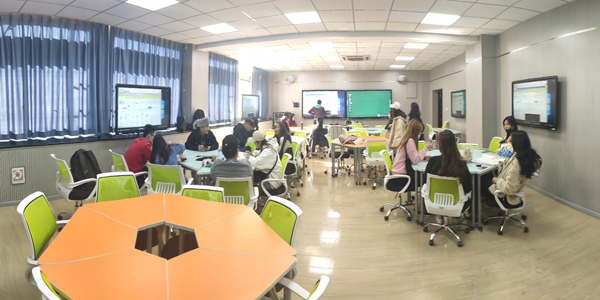
How an ICT integrator with no classroom-AV background won a 15-room university smart classroom tender — with Tralltech's engineering behind the scenes.
View details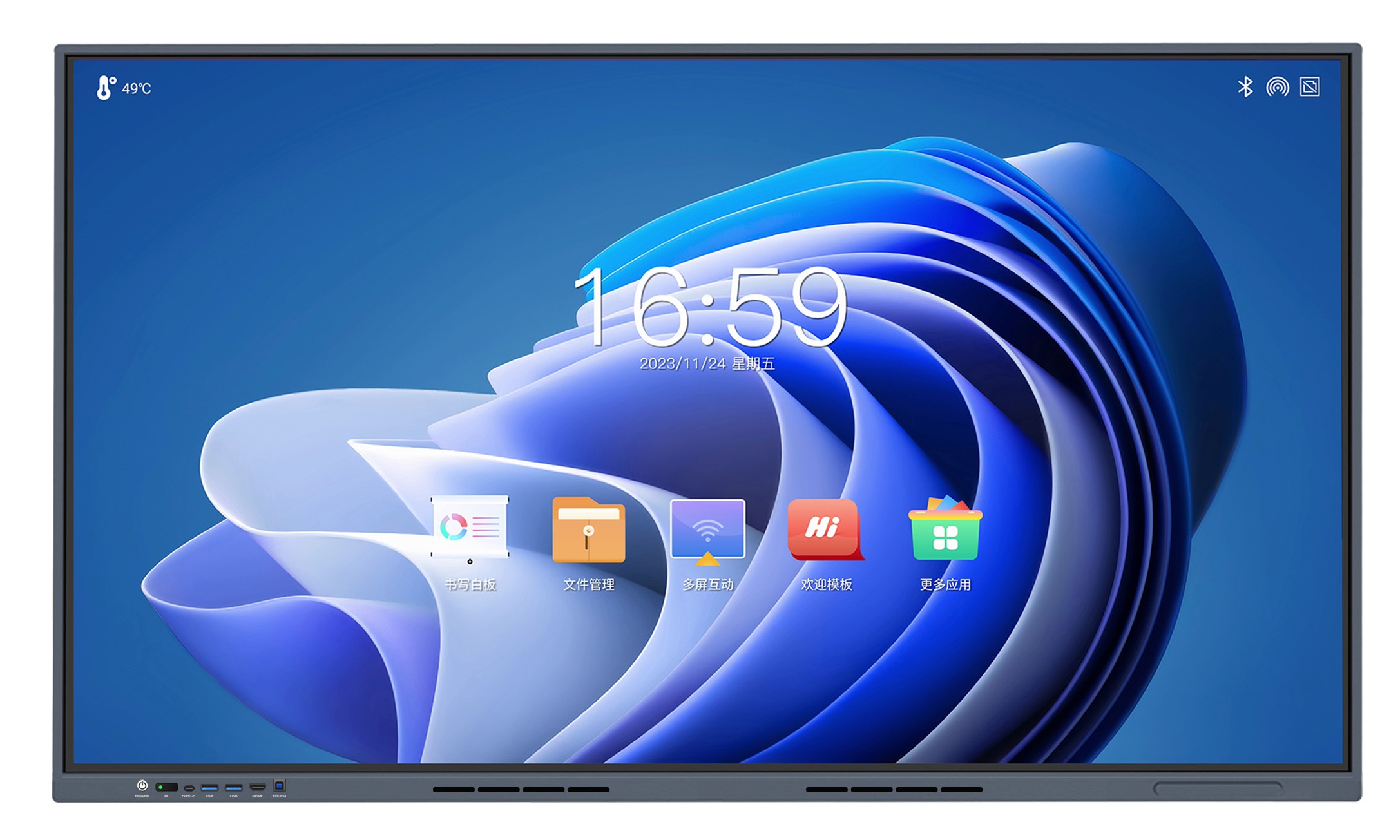
10, 20 or 40 touch points? What the numbers actually mean in a real classroom, why more isn't always better, and what to write in your tender spec.
View details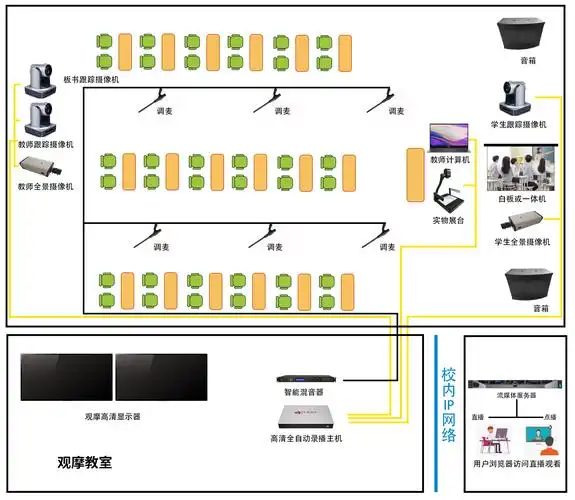
Learn how to write smart classroom tender specifications that pass technical evaluation and win projects — panel, audio, power and compliance, brand-neutral.
View details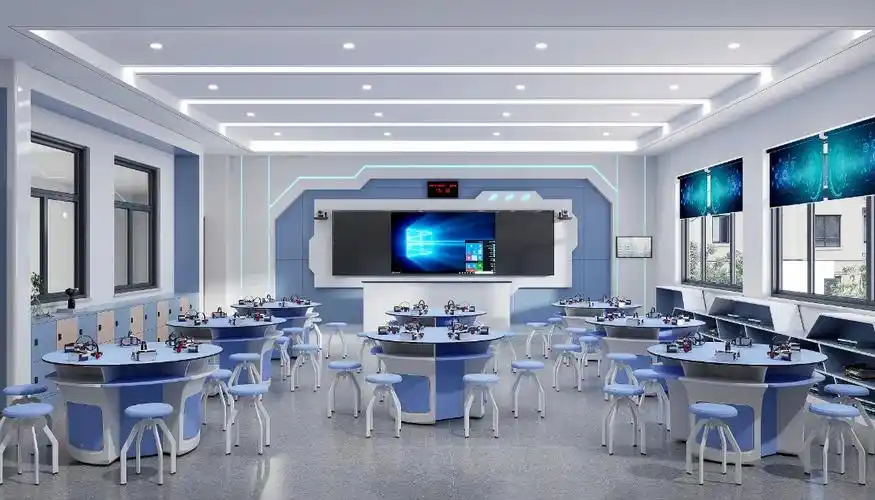
Donor-funded VR and virtual lab tenders are won on the BOM, manufacturer paperwork, and offline-ready infrastructure. A reading guide for system integrators.
View details
How to set up an offline classroom with no internet: the core hardware stack, software model, and field gotchas every integrator must plan for.
View details